

2026 Adventures in Nature Student Photo Contest
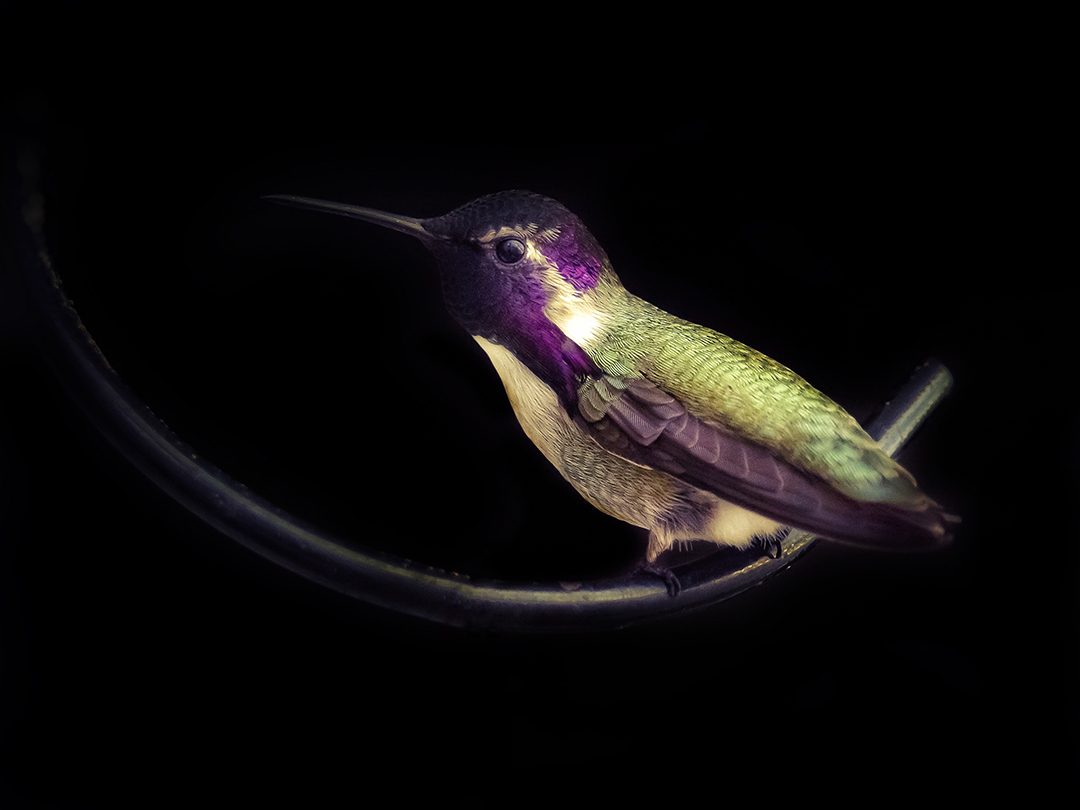
Photograph by Max Tuttle
The Nature Conservancy in Arizona, in partnership with Arizona Highways Magazine, presents the 13th annual “Adventures in Nature” student photo contest! Students aged 13-18 are invited to enter up to two photos that capture Arizona’s beauty and wildlife for a chance to win cash prizes. The contest is open for submissions between March 1st and March 31st, 2026, and the top 10 winners will be announced on a virtual awards ceremony on April 16th, 2026. All contestants will receive a Zoom invitation by email. See last year’s winners here.
Prizes:
1st place — $5,000
2nd place — $2,500
3rd place — $1,000
7 honorable mentions — $250 each
Please view the updated OFFICIAL RULES before submitting entries.
GALLERY
Displaying 133 - 144 of 451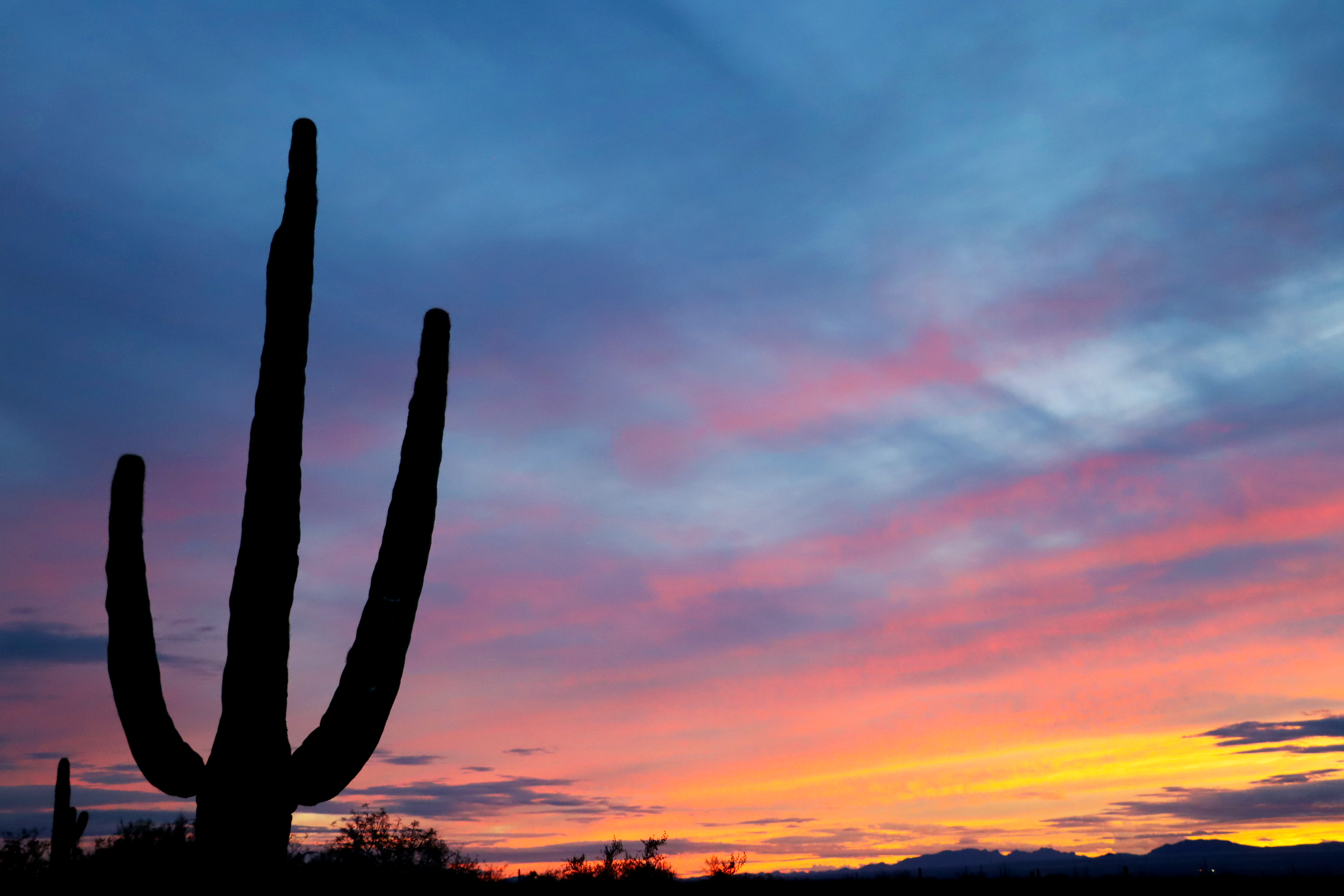
Photo by Mallorie Gebhart
A beautiful lonely Saguaro cactus watching the vibrant sunset.
Location: Corona De Tucson
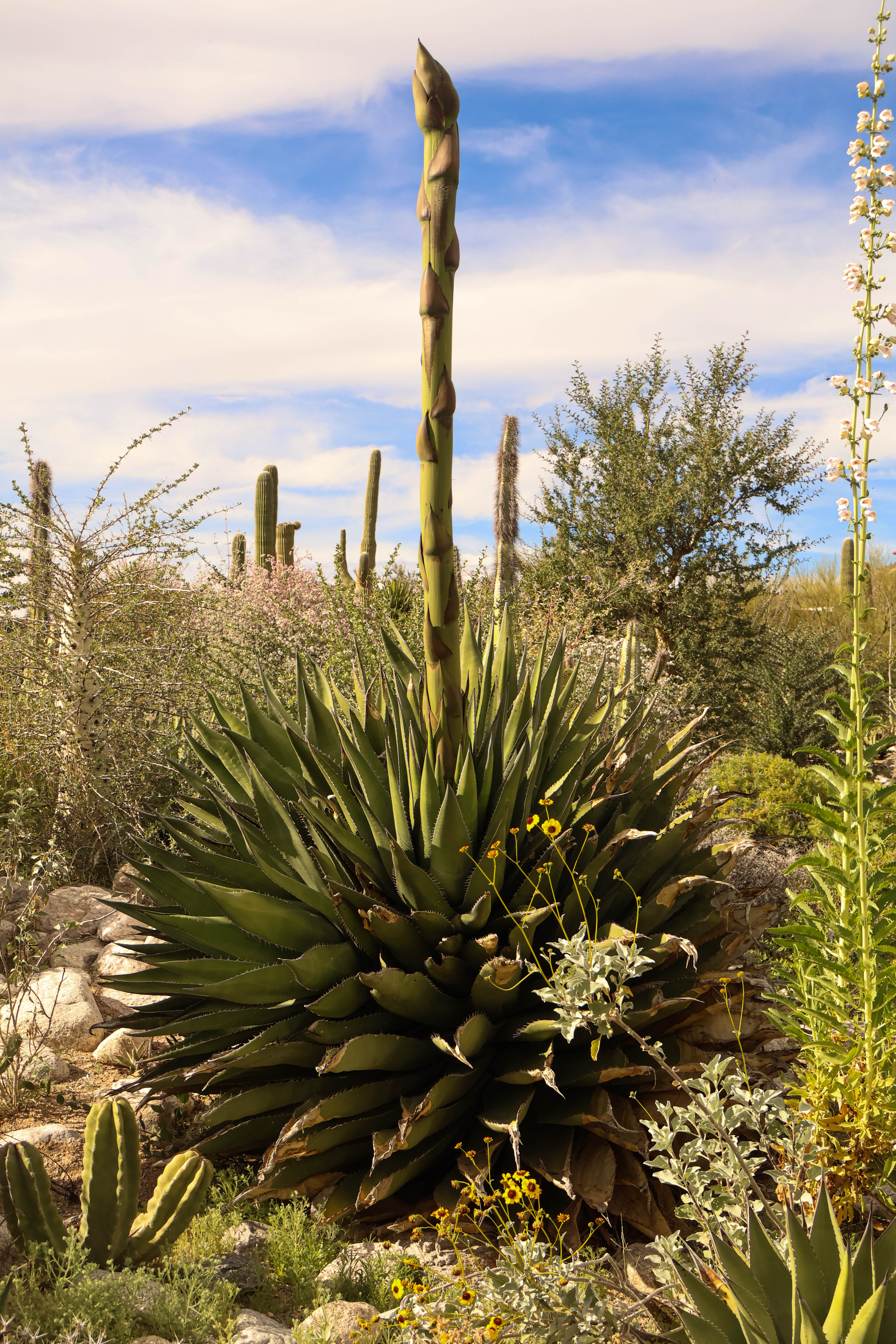
Photo by Julia Baker
A beautiful young agave growing among the wildlife at the Tucson Desert Museum.
Location: Tucson Desert Museum
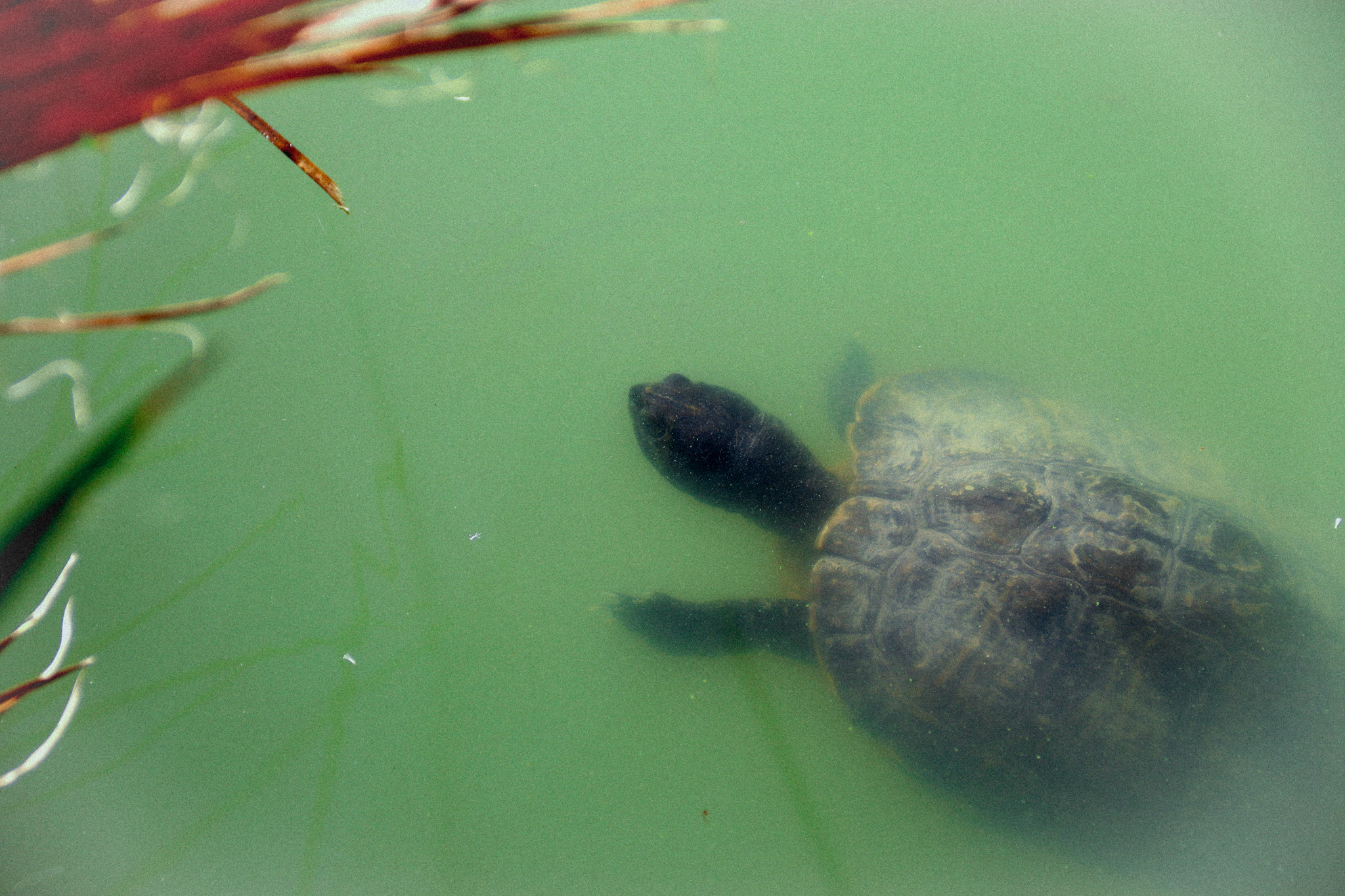
Photo by Evyn Cooper
I took this a while back while on a field trip. I just sat by the edge of the water and started calling over the fish and turtles as if they where dogs as a joke, but they ended up actually coming right up to me. I could pet the turtles and pick up the schools of fish with my bare hands. This particular turtle would constantly come up to me and even showed me their kid, although it got scared and ran off.
Location: Agua Caliente
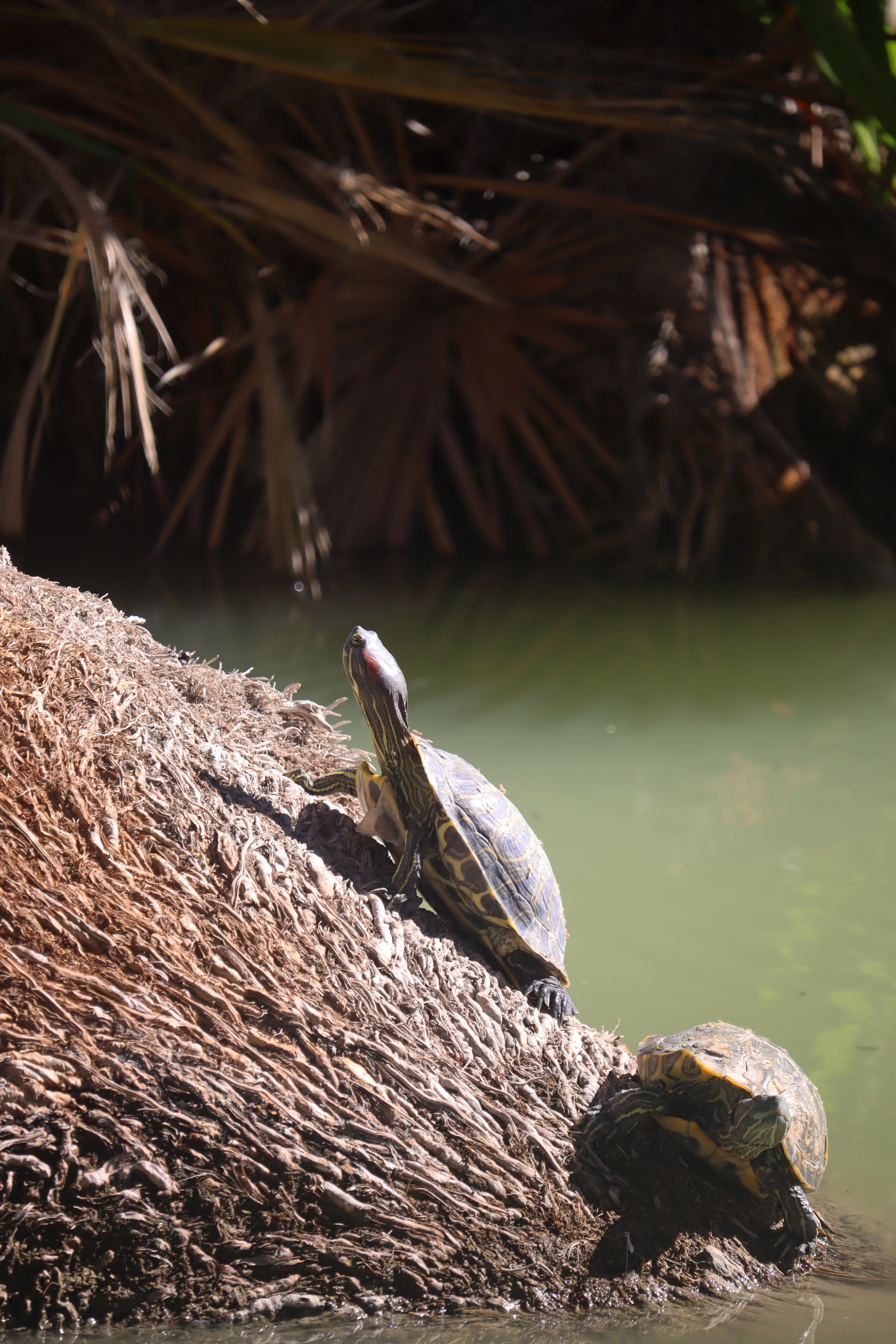
Photo by Mallorie Gebhart
This is a red-eared slider turtle bathing in the sun smelling the fresh air because life is awesome.
Location: Agua Caliente Park
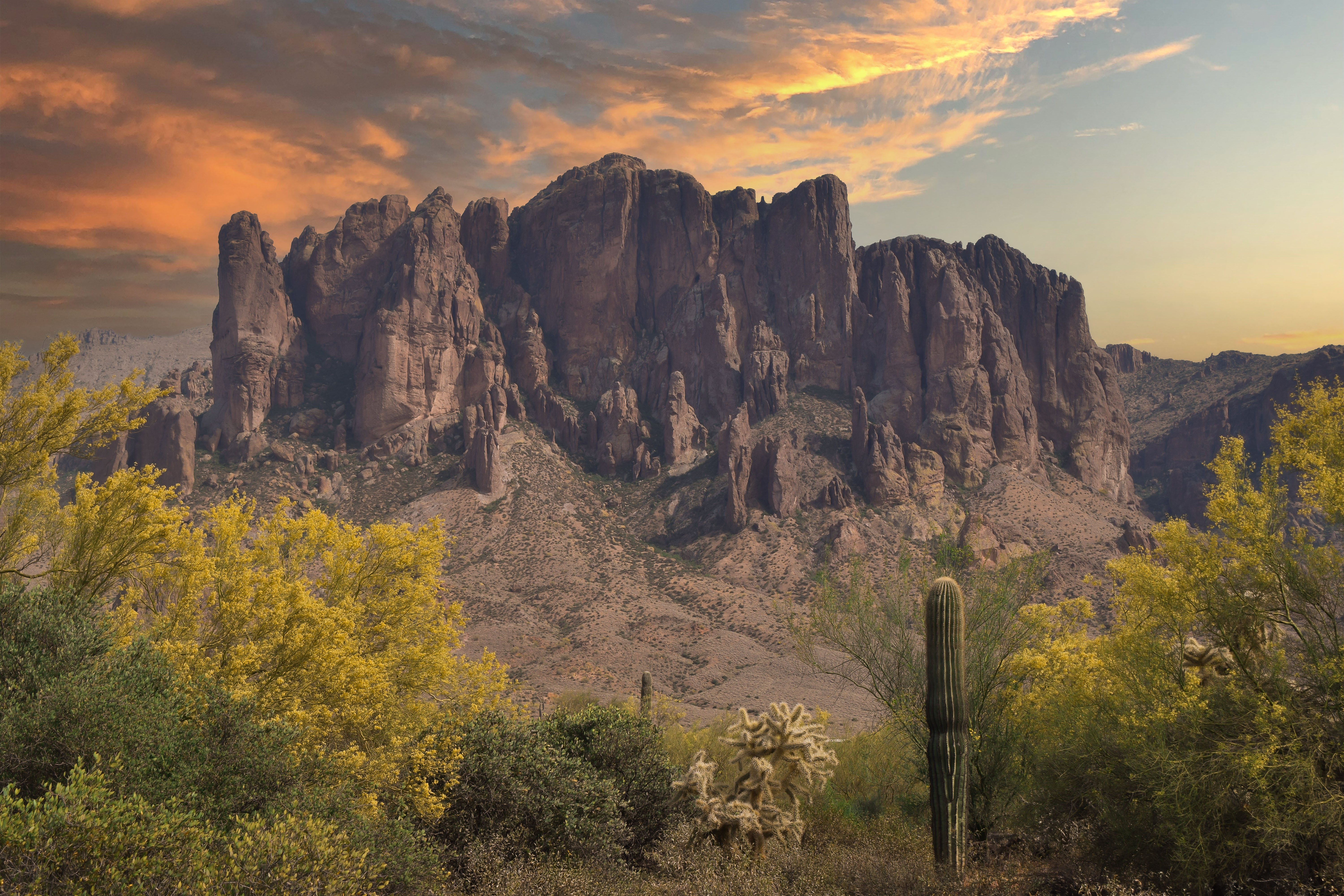
Photo by Drew Schneder
Location: Superstition Mountain
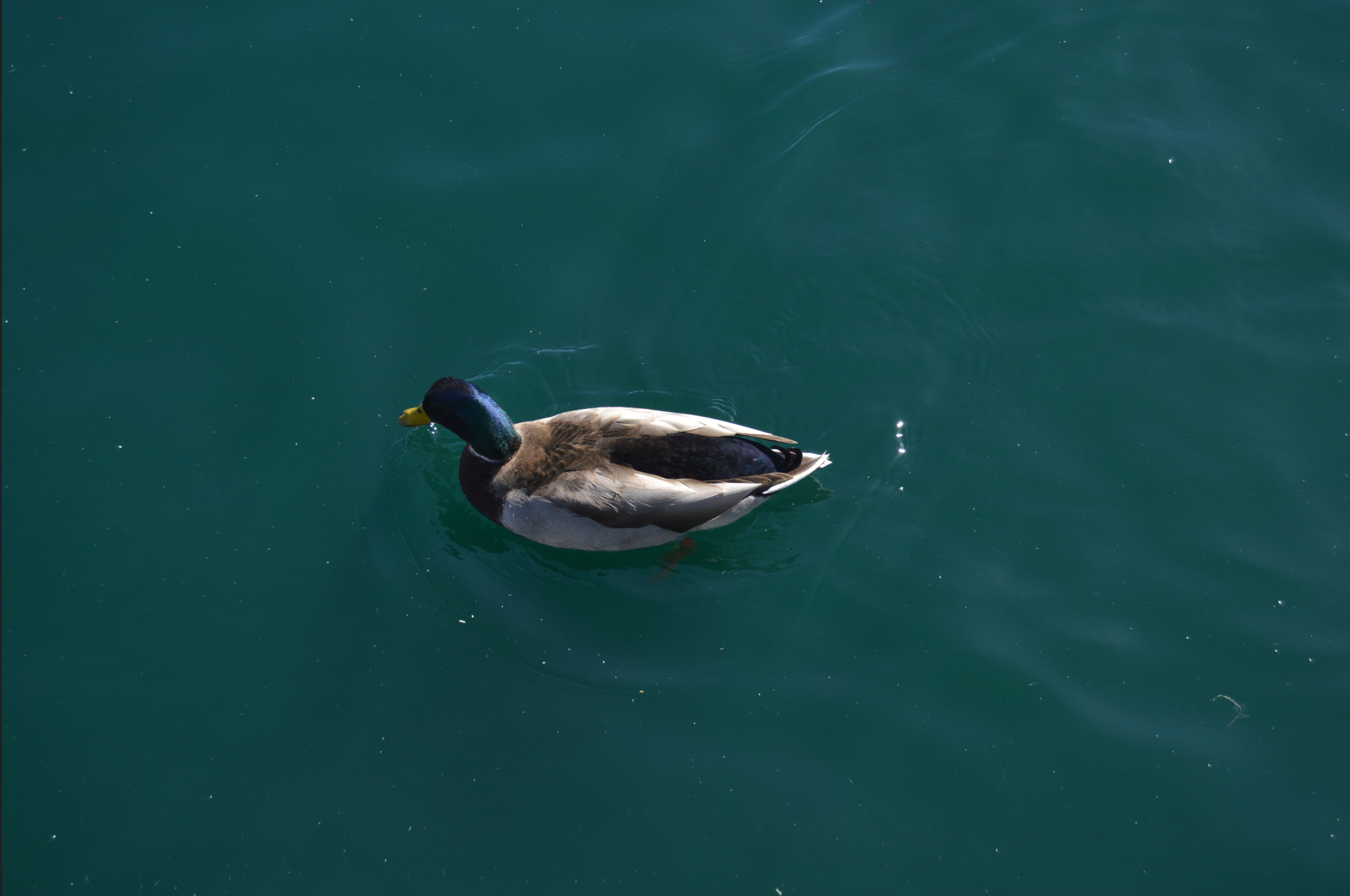
Photo by Austin Abongwa
Location: Gilbert, AZ
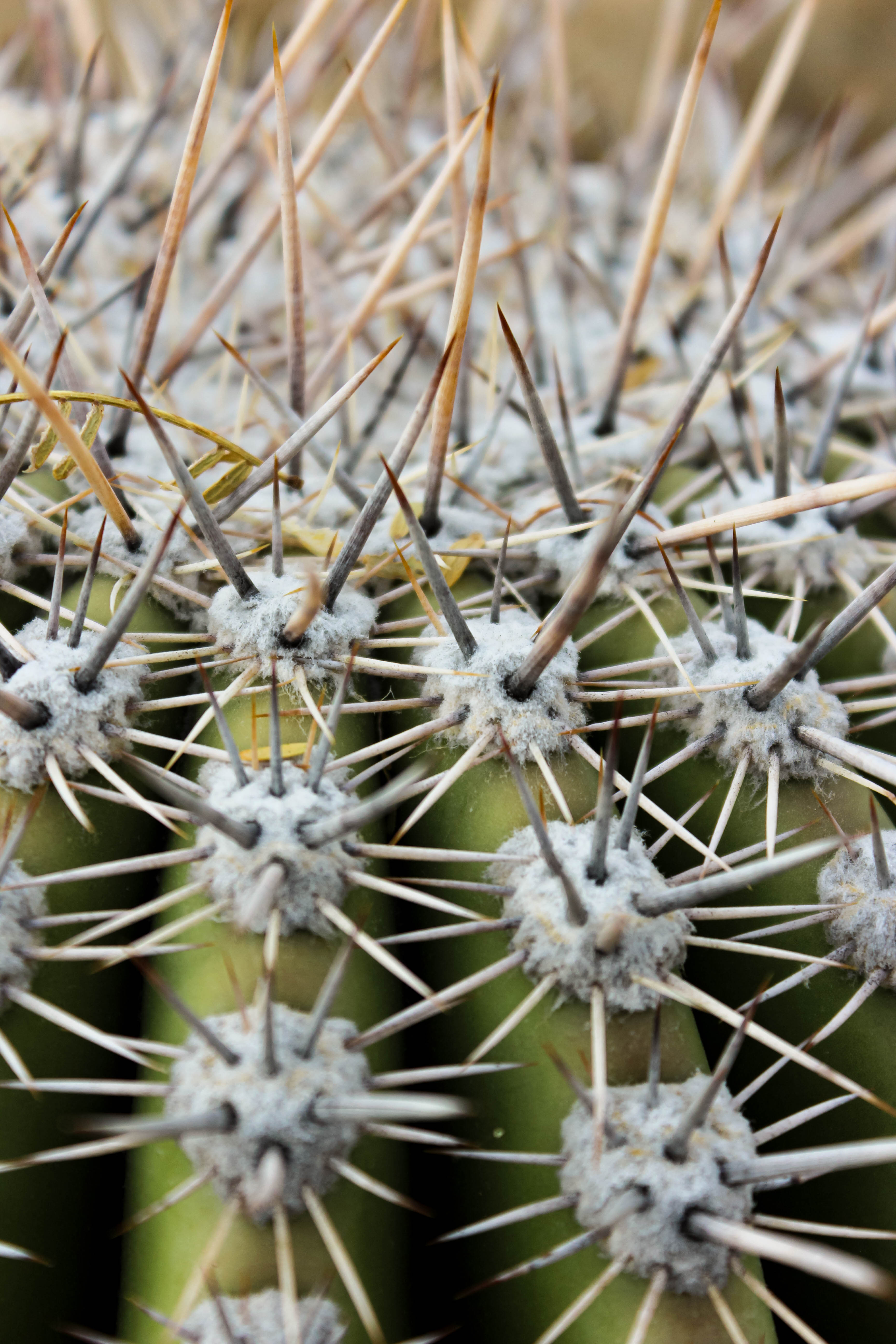
Photo by Aaron Castro
I was on Mount Lemmon a few days ago, walking through the lower regions among the plants and stones. As I was walking, I was growing increasingly more distressed that the sun was getting closer and closer to the horizon line, at which point I realized that where I was I would run out of the light I needed for the picture to be visible without having to crank my ISO to disgustingly high values. That's when I found it; a lone Saguaro Cactus, set apart from the other plants. At first, there was nothing I could see of note about this cactus; it wasn't a 100-year-old towering monster, nor did it have any real defining traits that immediately caught my eye. To anyone looking from a ways away, it would seem simply another stout, maybe 10-year-old plant. Then I looked closer. In the shadow of the peaks, with the sun's light rapidly dying, I noticed smaller details I had never noticed in the full glow of the desert sun. Small tufts of fuzz at the base of the spines, with patters of minuscule black spots dotting the pale off-white ends, shades of yellow and red on the flesh I had for so long believed to be a solid shade of flat green. Most interestingly to me were the barely visible vein-like structures spanning the spines, and the bands that surrounded the long poles like bracelets. Just before the sun could set, I reached as closely as I could into the very top of the cactus and snapped a photo of the small forest of dangerous beauty.
Location: Mount Lemmon
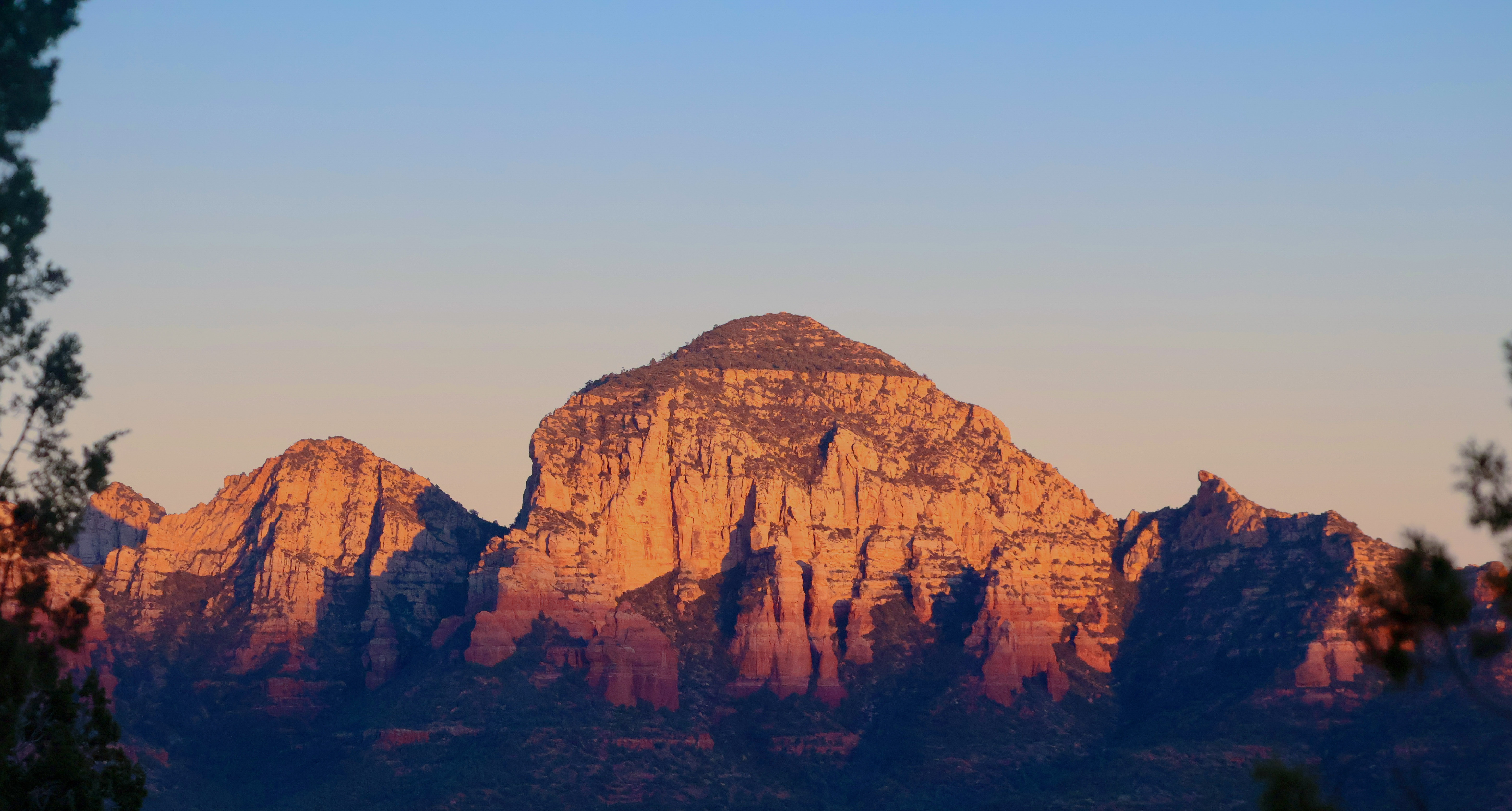
Photo by Andrew Clewley
The breathtaking sunset colors fall onto the mountains deepening the warm colors already present.
Location: Fay Cannon Sedona, Arizona
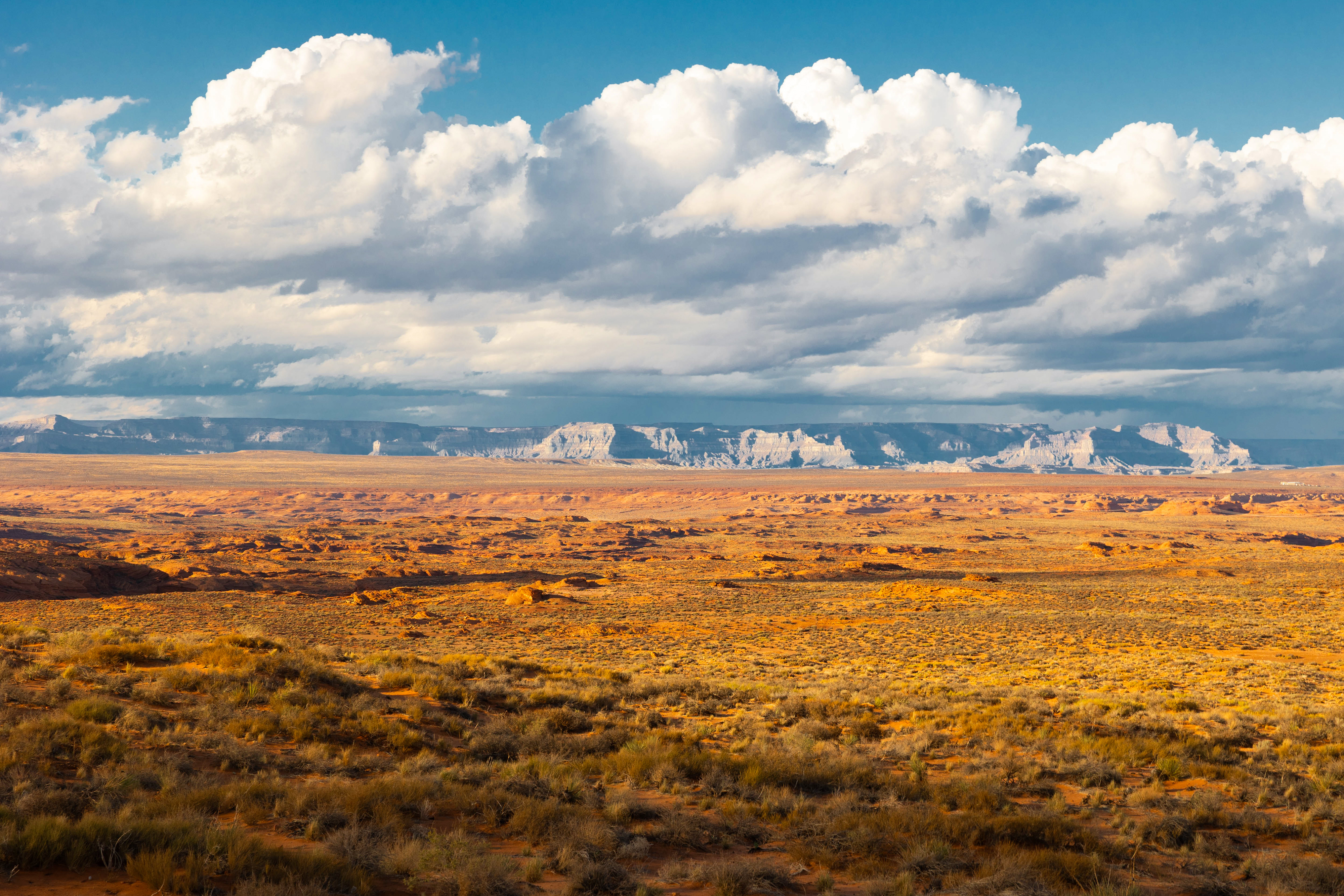
Photo by Benjamin Drezdon
Location: Page
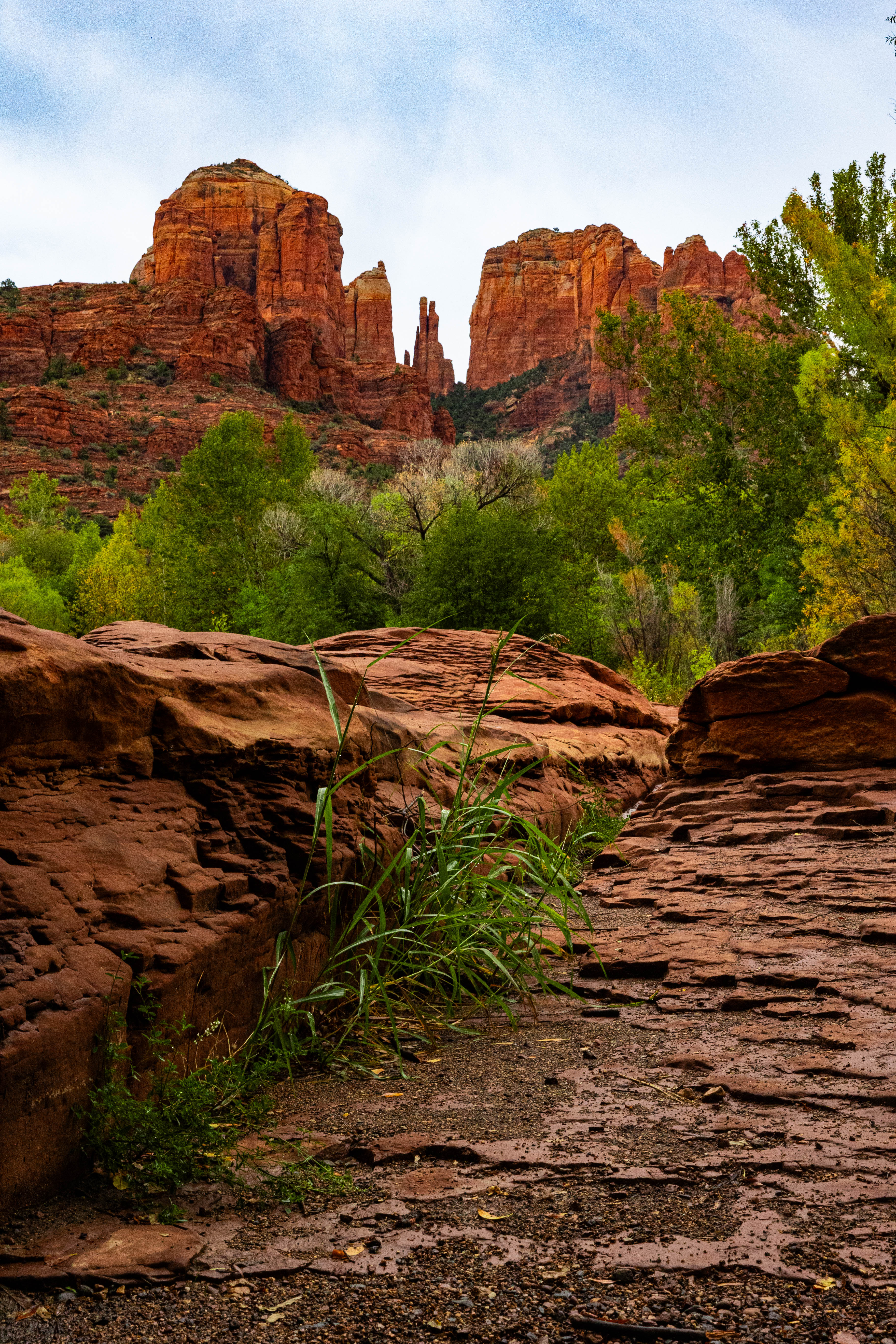
Photo by Benjamin Drezdon
Location: Sedona
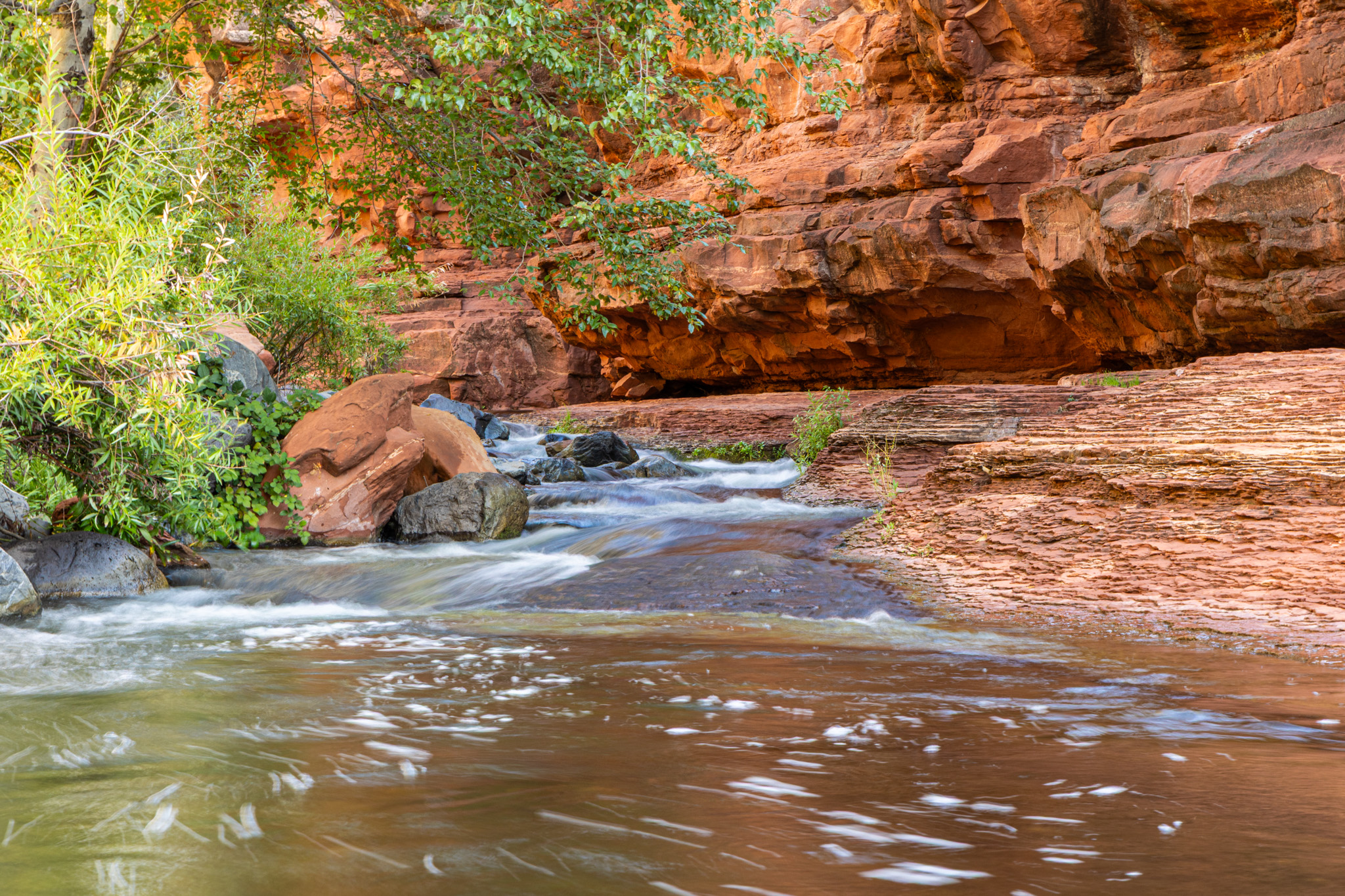
Photo by Avangeline Holmes
Location: Slide Rock State Park

Photo by Isis Moreno
The Historic Hotel Magma appears in a grainy black-and-white with a brown tint, giving it a vintage, timeless feel.
Location: Superior, Arizona